News
Cyprus external deficit widens to 12.8 per cent of GDP in first half of 2026
Revised central bank figures put the 2025 deficit at 8.8 per cent of GDP, up from 6.4 per cent, and the gap widened again in the first half of 2026 as the services surplus fell.
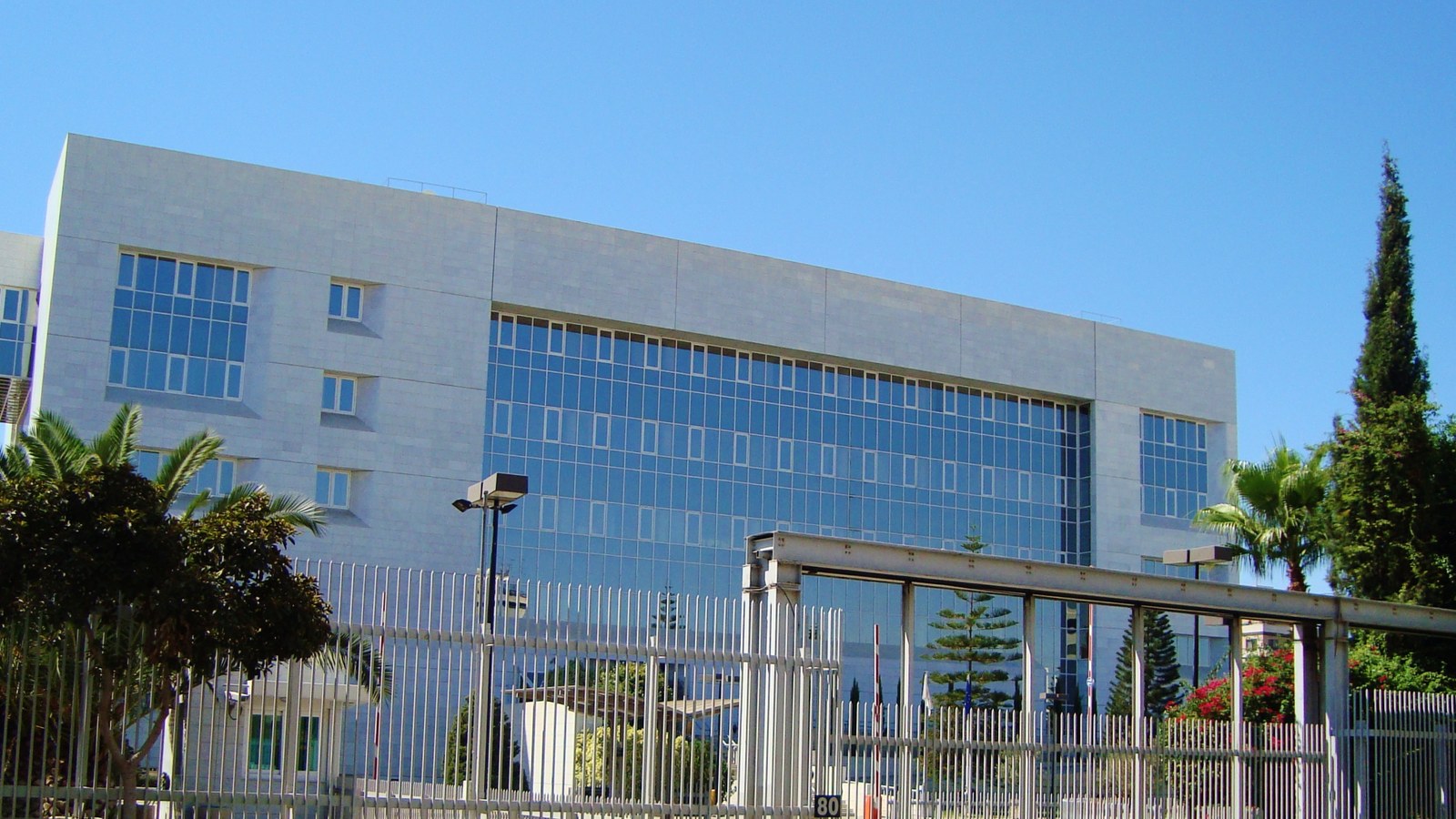
Cyprus’s current account deficit widened in 2025 and grew further in the first half of 2026, according to revised Central Bank of Cyprus figures analysed by Eurobank Research.
The current account records what Cyprus earns abroad and pays out, covering trade, investment income and transfers such as EU funds.
The revised figures put the 2025 deficit at 8.8 per cent of GDP, up from 6.4 per cent previously reported. In euro terms it was €3.21 billion, €870 million more than earlier estimated. The 2024 deficit was revised down to 5.5 per cent of GDP from 8.2 per cent, so the new figures reverse the earlier picture of improvement.
The revision was driven mainly by a €1.42 billion increase in the estimated income deficit, largely net investment income. The goods deficit was revised up by €201 million and net current transfers abroad by €108 million. A €855 million upward revision to the services surplus, mainly higher net earnings from information and communication technology services, offset part of the increase.
In the first six months of 2026 the deficit reached €2.42 billion, equivalent to 12.8 per cent of GDP for the period, against 10.1 per cent in the same months of 2025. The gap widened by €635 million, almost all of it in the second quarter.
The goods trade deficit increased by €441 million while the services surplus fell by €432 million. Services exports kept growing, but payments for imported services rose faster. The ICT surplus fell by €212 million, the travel surplus by €183 million and the financial services surplus by €230 million.
Tourism receipts fell 6.2 per cent year on year in January to August, to €2.32 billion. A 4.6 per cent rise in July was followed by a 3.4 per cent fall in August, mainly because of fewer visitors. Spending per visitor was broadly unchanged.
Eurobank Research said strong household spending and investment explained part of the import growth. Transport equipment and parts accounted for around 77 per cent of the rise in goods imports in the first half, purchases it said could help businesses expand.
The IMF’s October outlook projected a 2026 deficit of 7.7 per cent of GDP, based on data from before the revisions. Eurobank Research said it saw significant upside risk to that figure.
The bank said the gap should be assessed alongside the contribution of international businesses to exports and jobs, and that attention should focus on how it is financed and whether investment generates future income.
What is not known
The full-year 2026 outcome will depend on data still to be published. The reports do not say how the deficit will be financed.
Why it matters
A wider current account deficit means Cyprus is paying more abroad than it earns, so the country depends more on inflows of foreign capital to balance its accounts. The figures also show pressure spreading beyond tourism to ICT and financial services, two areas the economy has relied on for foreign earnings.
Sources (2)
- Eurobank Research, Cyprus's External Gap Widens as Growth Holds Up, 6 November 2026 . Research note with the revised Central Bank of Cyprus figures, the first-half 2026 breakdown, the tourism data and the comparison with the IMF forecast.
- Central Bank of Cyprus, External statistics . The bank's balance of payments data, from which the current account figures are compiled.